4.9 STAR RATING BY 501 REVIEWS
 111 Camino Alto, Mill Valley, CA 94941
 (415) 383-2382
4.9 STAR RATING BY 501 REVIEWS
111 Camino Alto, Mill Valley, CA 94941(415) 383-2382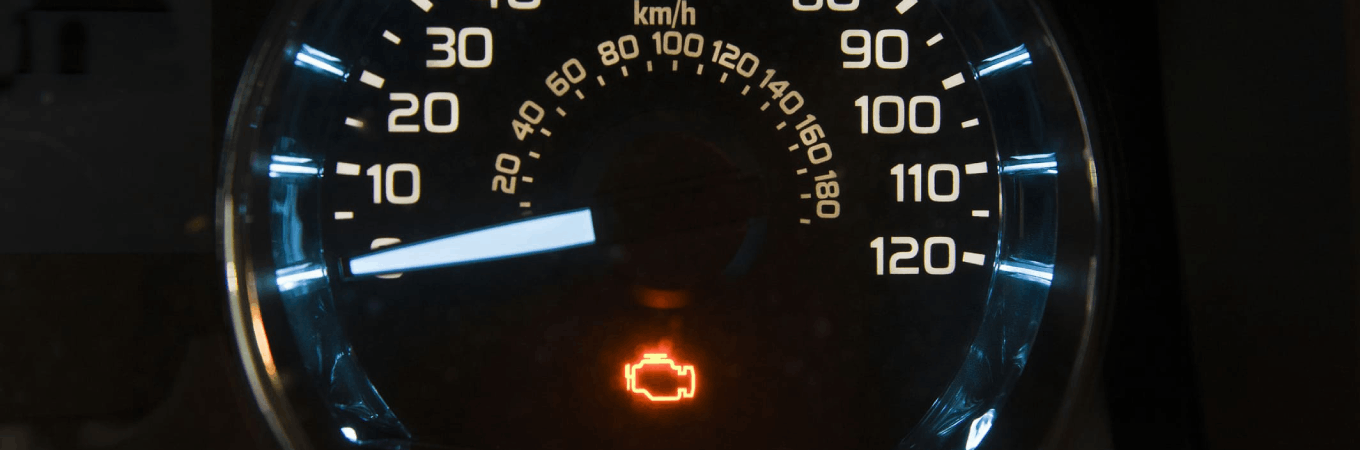
When the check engine light comes on in a Land Rover — whether it’s a Range Rover Sport on the 101 approach to Mill Valley or a Defender sitting in a Tiburon driveway — it represents a fault in one of the vehicle’s monitored systems. The light itself tells you a code has been stored. What it doesn’t tell you is which of the 200-plus possible fault conditions is present, whether the fault is emissions-related or drivetrain-related, or whether it’s safe to continue driving. At Master’s European & Japanese Auto Repair at 111 Camino Alto in Mill Valley, the shop uses JLR-compatible diagnostic software to read the full fault context and identify the correct repair — not just clear the code and return the car.
The answer depends on what the light is accompanied by. A steady check engine light without any driveability symptoms — rough idle, reduced power, smoke, unusual smells — is generally safe to drive to a shop, but should not be deferred for weeks. The longer a fault runs without repair, the more likely it is to cause secondary damage: an oxygen sensor fault left unaddressed will eventually cause catalyst damage; a misfire fault left unaddressed can cause oil contamination and cylinder wall scoring.
A flashing check engine light is a different matter entirely. A flashing light on most Land Rover models indicates an active misfire severe enough to damage the catalytic converter. Stop driving as soon as it is safe to do so and have the vehicle transported. Continued driving with a flashing CEL on a Land Rover is one of the most reliable ways to turn a $400 repair into a $3,000 one.
The diagnostic process at Master's European & Japanese starts with reading all stored codes — not just the current pending fault — using JLR-compatible software. Freeze frame data shows the operating conditions at the moment each fault was stored, which provides context that the code number alone doesn't. A P0420 catalyst efficiency code, for example, means something different if it was stored during cold startup than if it was stored under sustained highway load.
After reading codes, our ASE-certified technicians verify the fault with live data — monitoring sensor readings in real time to confirm whether the fault is current, intermittent, or a historical record of a condition that self-resolved. Many check engine light diagnoses at shops that only read codes result in parts being replaced that aren't actually faulty. Live data verification prevents this.
Correct diagnosis requires the right tools and the experience to interpret what those tools return. Generic scan tools return code numbers; JLR-compatible software returns the full fault context, pending codes, and calibration data that distinguish a real fault from a sensor anomaly. Master’s European & Japanese has been working on Land Rover and Range Rover vehicles in Mill Valley since 1976 and maintains the diagnostic equipment needed for current Ingenium platform vehicles.
All repairs are backed by a 3-year/36,000-mile unconditional warranty. For the full range of Land Rover services, see the Land Rover repair page at masterseuropeanjapanese.com/land-rover-repair-mill-valley/.
Book Appointment

Any illuminated check engine light is an automatic smog check failure in California. The fault must be repaired, the code cleared, and the readiness monitors allowed to reset — which typically requires one or more complete drive cycles — before the vehicle will pass. Master's European & Japanese can advise on drive cycle requirements for specific faults after repair.
Yes — a loose, cracked, or deteriorated fuel cap is one of the most common EVAP fault triggers. It's also the easiest fix. If the cap was recently removed for fueling, tighten it fully, drive the vehicle for one or two complete trips, and see if the light extinguishes. If it doesn't clear after 2 to 3 days of driving, the EVAP fault is likely elsewhere in the system.
Yes — including Range Rover Sport (L320, L494, L461), Range Rover (L405, L460), Defender (L663), Discovery, and Discovery Sport. Call (415) 383-2382 to confirm diagnostic availability for your specific model.
Initial code reading and live data review typically takes 30 to 60 minutes. If further testing is needed — fuel pressure check, evap smoke test, cylinder contribution test — add an hour or more. Master's will advise on diagnosis time and cost before beginning work.
